Crossed by the Aurino stream, these small valleys (though full of surprises) are the perfect destination for those seeking tranquility, nature and outdoor activities.
The Valli di Tures and Aurina are located in the far north of South Tyrol, nestled among the towering peaks of the Aurine Alps, right on the border with Austria. This wild and pristine area stretches from Campo Tures to Casere, the last inhabited village before the Vetta d’Italia, Italy’s northernmost point. The mountains in the valley include the Sasso Nero (3,369 m), Gran Mesule (3,478 m), and of course the Vetta d’Italia (2,912 m). Here you can also find the glaciers of the Durreck Group and the Picco dei Tre Signori.

The Valli di Tures and Aurina are located in the far north of South Tyrol, nestled among the towering peaks of the Aurine Alps, right on the border with Austria. This wild and pristine area stretches from Campo Tures to Casere, the last inhabited village before the Vetta d’Italia, Italy’s northernmost point. The mountains in the valley include the Sasso Nero (3,369 m), Gran Mesule (3,478 m), and of course the Vetta d’Italia (2,912 m). Here you can also find the glaciers of the Durreck Group and the Picco dei Tre Signori.
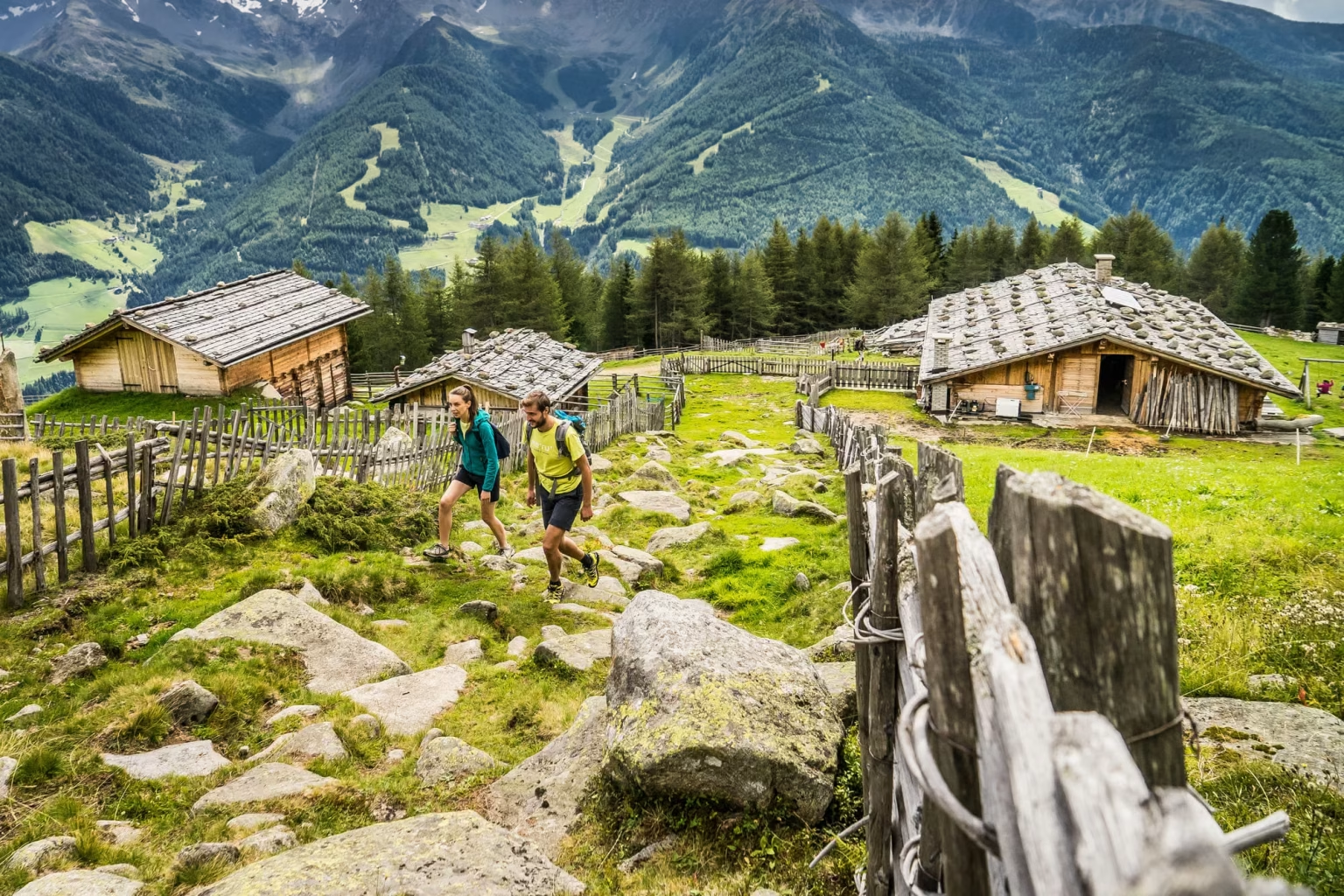
Valli di Tures and Aurina are located north of Brunico, in the heart of South Tyrol, and are part of the renowned Plan de Corones tourist area. They are easily reachable by car via the Puster Valley: from Brunico, take the SS621 state road towards Campo Tures, then continue along the wide valley leading to Riva di Tures and Casere. The roads are well maintained and passable in every season, including winter.
Those who choose to travel by train can arrive at the Brunico station, served by frequent regional connections with Bolzano, Bressanone and Fortezza, all also reachable by high-speed trains. From Brunico, regular bus lines depart, especially line 450, which runs through all the main towns in the valley: from Gais to Campo Tures, from Lutago to Cadipietra, and all the way to Predoi and Casere, in the heart of the Vedrette di Ries-Aurina Nature Park. The service is punctual, efficient, and well coordinated with train schedules.
For those arriving by plane, reaching the valley is also easy. The closest airports are Bolzano, Innsbruck, Verona, Treviso and Munich. From each of these, it is possible to continue to Brunico by regional trains or shuttle services, or rent a car to enjoy the alpine scenery independently during the journey. In peak season, many accommodations also offer personalized or shared transfer services.
The Valli di Tures and Aurina stretch across authentic mountain villages, each with its own distinct soul and a deep connection to the surrounding landscape.
Overlooking the valley is Campo Tures, the liveliest and most tourist-friendly center, enhanced by the majestic Castel Tures, which towers on a rocky hill and tells centuries of Tyrolean history through its frescoed rooms. It’s the perfect starting point to explore the area, also thanks to its proximity to the famous Riva Waterfalls, reachable from Molini di Tures, where a forest trail leads to three spectacular waterfalls, crossing wooden bridges and walkways.
Just a bit further south, Caminata retains the charm of a mountain farming village, with peaceful walks among farmsteads and streams, like the Water Trail, which invites you to discover rural life marked by the gentle flow of fountains. From Acereto, perched on a sunny slope above Campo Tures, you can enjoy an extraordinary view of the valley: from here start lesser-known trails crossing the high farms, perfect for those seeking silence and authenticity.

Climbing higher, you reach Riva di Tures, a quaint village surrounded by towering peaks, perfect in winter for those who love the silence of snow: here lies one of the most beautiful cross-country ski loops in Alto Adige, along with many opportunities for snowshoeing and walks leading to the Knuttenalm refuge.
In the northernmost part of the valley, you enter the true territory of Valle Aurina. Lutago welcomes visitors with its shops, hotels and wellness centers, but it especially captivates the little ones (and not only them) with the spectacular Fly-Line: a suspended course among the trees that lets you “fly” slowly through the treetops.
Just a few minutes away, Cadipietra reveals the deeper face of the valley: the mining heritage. The old Mining Museum, set up in the historic building of the mining administration, offers a fascinating journey into the past of copper extraction, an activity that provided work for hundreds of people for centuries.
San Giacomo, nestled in greenery and tranquility, houses a small Gothic church with stunning frescoes, while San Pietro, located slightly higher, is the ideal access point for hikes along the Sentiero del Sole, a panoramic route crossing forests and high-altitude pastures, offering spectacular views of the entire valley.
In Rio Bianco, a family-friendly village, you can experience the mountains with ease: the Witch Trail guides both adults and children through a path filled with fairy tales, legends and wooden installations: perfect for discovering nature through play. Further down the valley, San Giovanni is easily recognizable by its imposing Baroque church, with a bell tower rising above the village houses, standing as one of the area’s architectural landmarks.
Finally, in the side valleys of Selva dei Molini and Lappago, time seems to slow down. In Selva, the artificial lake, framed by forests and meadows, is perfect for a relaxing walk, while from Lappago it is easy to reach the picturesque Lake Neves, the starting point for hikes among the peaks and huts of the Rieserferner Group, one of the most authentic and wild corners of South Tyrol.


Summer in the Valli di Tures and Aurina is the perfect time to fully embrace the mountain experience. One of the iconic spots is Lake Neves, a turquoise basin surrounded by spectacular peaks, reachable by car and then on foot along trails that lead to the Rifugio Passo Ponte di Ghiaccio, a starting point for more challenging treks or for scenic walks around the lake’s perimeter. Those seeking a more relaxed yet equally scenic experience can follow the Malghe Circuit, a loop itinerary between Cadipietra and San Giacomo that passes some of the valley’s most authentic mountain huts, such as Malga Kristallalm and Malga Bizat, where you can enjoy fresh cheeses, speck and homemade desserts.
For those who love high-altitude hikes, the Sentiero del Sole (Sunnsatweg) is a true classic: it winds through larch forests and offers stunning views of the valley, with opportunities to stop at mountain farms and huts. Thrill-seekers can try the Klausberg Zipline, one of the longest in Europe, delivering strong emotions and spectacular bird’s-eye views. Down in the valley, the Aurino stream is the setting for exciting adventures with guided rafting and canyoning tours, suitable for both athletes and families with teenagers.
Families with children will find a true kid-friendly paradise in the Valli di Tures e Aurina. At Klausberg, Dinoland—with life-sized dinosaurs—is perfect for a day of fun and discovery, while the Klausberg Family Park features a small lake with rafts, a mini zoo, water slides, climbing walls, and a sensory trail filled with aromatic herbs and natural materials. At Speikboden, the upper station of the cable car hosts a panoramic playground with trampolines, suspension bridges, a small zip line, and relaxation areas with wooden loungers for parents.
In the heart of the forest, the Speikboden Fly-Line offers a gentle yet thrilling ride among the trees on a suspended structure, enveloping riders in an almost fairy-tale experience. Equally beloved by families and children is the Witch’s Trail above Lutago: a themed walk through legends, wooden sculptures and interactive stations, where the forest transforms into a book to explore step by step.

When the forests blaze with red, gold and copper, the Valli di Tures and Aurina reveal their most intimate and enchanting side. It’s the perfect time to walk unhurriedly: the trails around Rio Bianco and Lappago offer spectacular views and complete tranquility, ideal for gentle hikes through larch and chestnut woods.
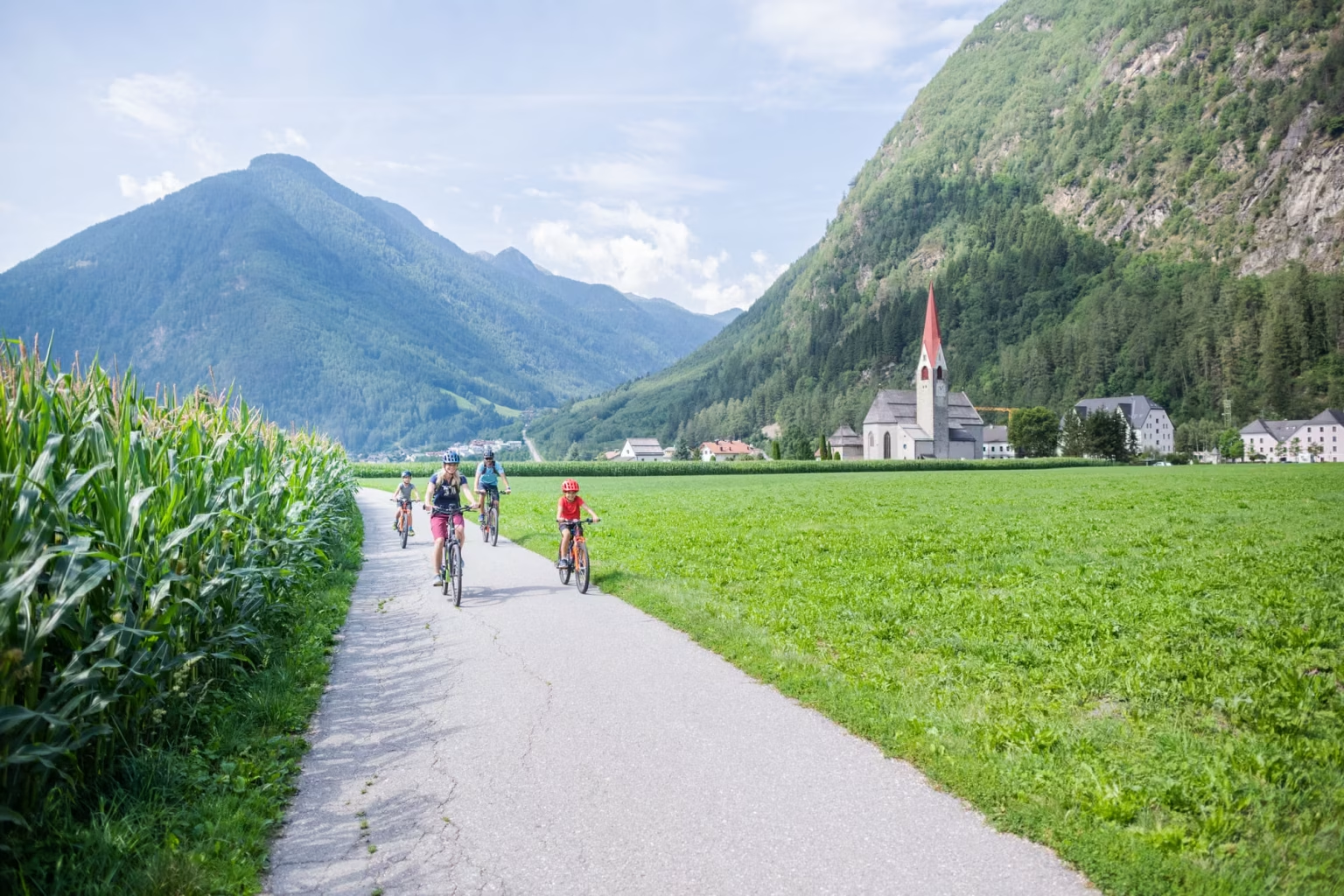
The Ciclabile of the Valli di Tures and Aurina, which gently follows the course of the Aurino stream, also becomes an invitation to slow down. From Campo Tures to Lutago, you can cycle or walk surrounded by the colors of the foliage, with many spots to stop for a snack or a photo.
The foliage shows its best colors in the woods above Gais, along the walks around Gola Lake, and especially along the San Leonardo Walk, a multi-stage route that connects ancient places of worship and small alpine villages, winding through dry stone walls, rolling meadows, and quiet chapels.
For the more curious, it is also the perfect time to visit the ancient mines of Predoi, where you can enter the tunnels on an underground train and discover what life was like 1,000 meters deep. Alternatively, you can visit the Grotta del Respiro, a place of absolute peace with pure air, recommended for those suffering from allergies or simply wanting to disconnect from the outside world.
In winter, the ski resorts of Speikboden and Klausberg in the Valli di Tures e Aurina offer wide, modern, and well-snowed slopes, ideal for both expert skiers and beginners. Alongside the scenic runs, there are snowparks for snowboarders, beginner slopes, ski kindergartens, and ski schools with certified instructors. At Klausberg, you can also take the cable car up to the Panorama Point at 2,500 meters, from where you can admire the snow-covered Vedrette di Ries mountain group in all directions.
Those who prefer cross-country skiing can enjoy the perfectly groomed loop at Riva di Tures, surrounded by hushed silence and enchanted forests. Snowshoe enthusiasts will find wonderful trails leading to Lake Gries, Lake Neves, or among the mountain huts of Predoi, often open for a stop with mulled wine and warm soups. Local guides also organize moonlit snowshoe hikes, an exciting experience to be enjoyed in small groups.


For those who love speed without skis, there are several toboggan runs: the most popular starts from Malga Weizgruber above Rio Bianco, but you can also sled from Speikboden, Malga Schwarzbach, or along the snowy slopes above Lutago. At Speikboden, the winter fun bob offers safe and fun descents even for those not used to snow.
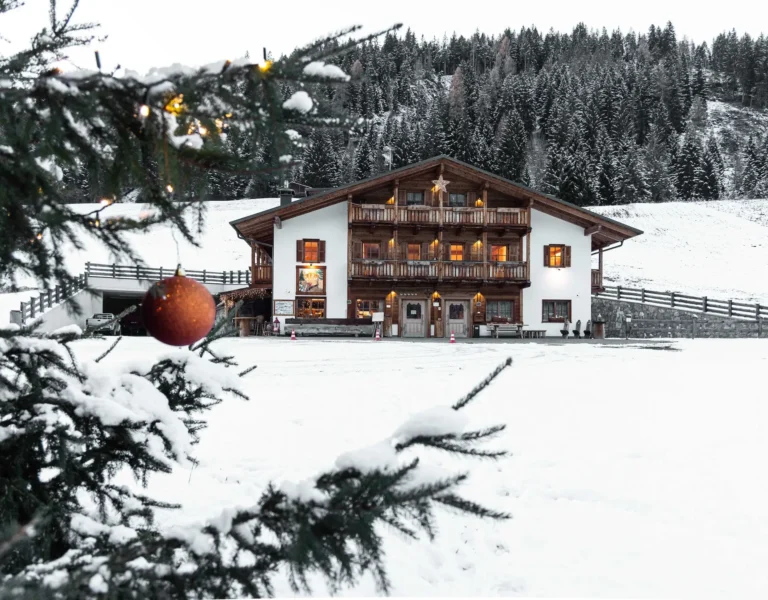
Winter is also the season of traditions. At the beginning of December, the Krampus invade the villages with their wooden masks, furs and bells, an ancient folk tradition that fascinates both young and old. The Christmas markets in Campo Tures and the small villages offer local crafts, traditional cookies, wooden, wool and felt decorations, mulled wine and hot chocolate. The atmosphere is intimate and authentic, far from the crowds of big cities.
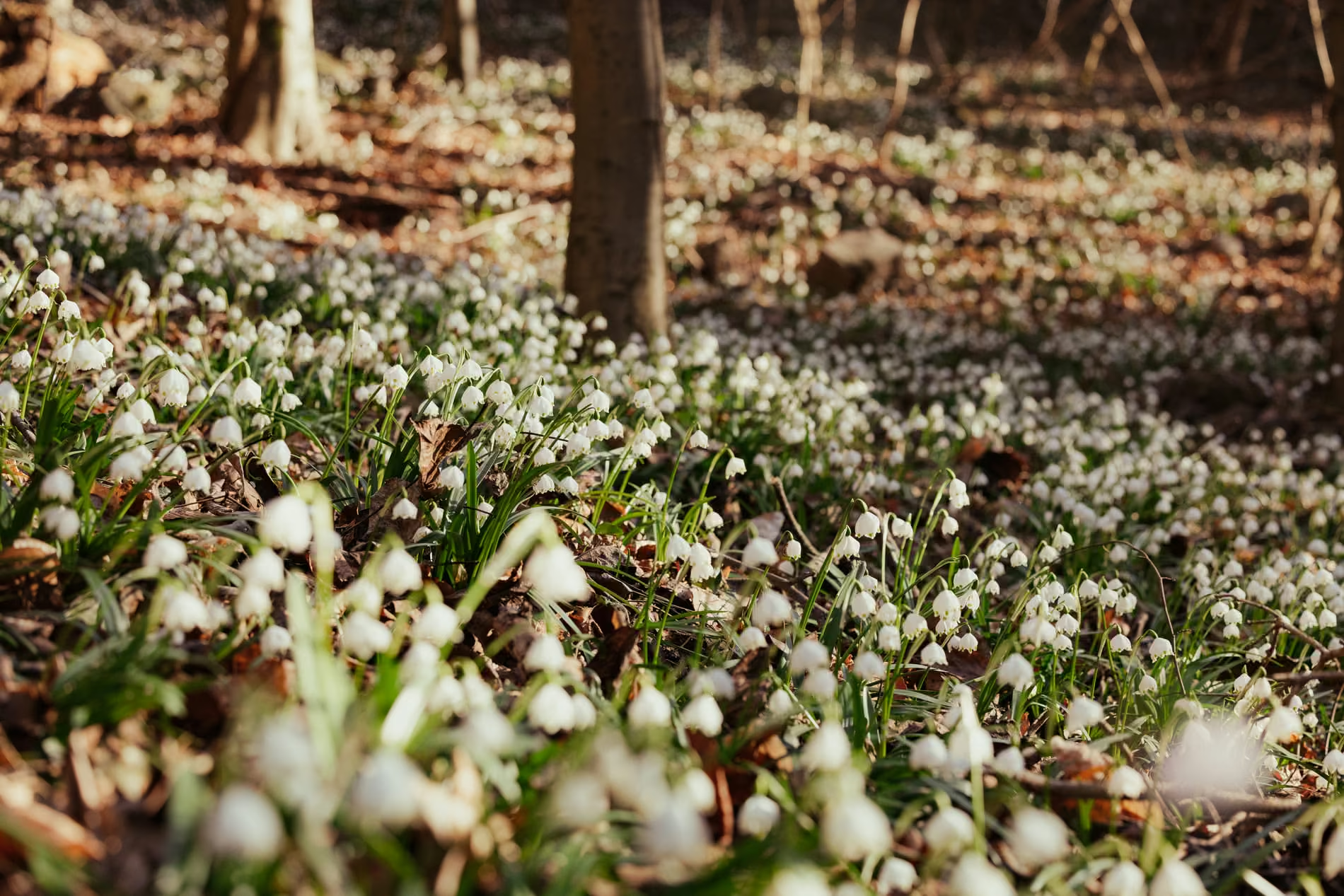
In spring, Valli di Tures and Aurina transform into a mosaic of colors and scents. The days, not yet too warm, invite you to follow the old historic mule tracks, such as the one connecting Campo Tures Walk, passing among ancient hay barns and stone walls in a landscape fragrant with earth and rebirth. The San Leonardo Walk also takes on a special atmosphere: less traveled than in summer, it invites slow walking among rural chapels, awakening woods and small villages.
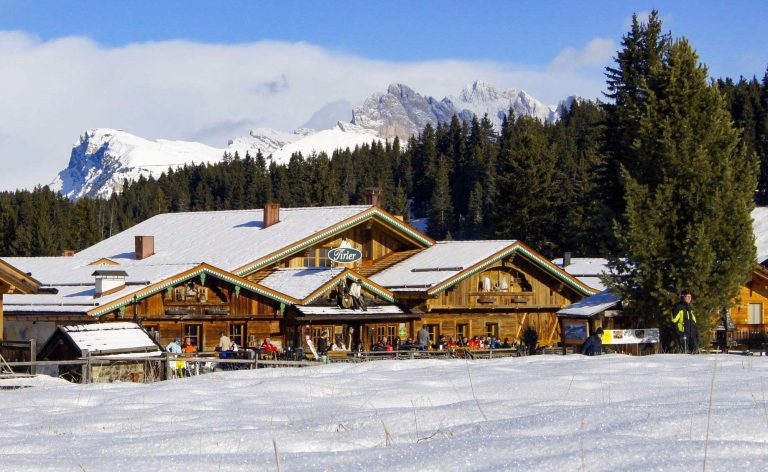
One of the most charming places to discover at the start of the season is Malga Knutten, above Riva di Tures: in the first snow-free days, it can be reached by an easy walk, and it’s often one of the first huts to reopen with homemade cakes and deck chairs in the sun. Not far away, Gola Lake and Gries Lake, with their still icy waters, offer crystal-clear reflections and timeless landscapes, perfect for a quiet outing or a picnic.
But in spring, Valli di Tures and Aurina come alive culturally and rurally as well: farmers’ markets, days dedicated to honey and cheese, visits to farmsteads with traditional workshops, and botanical walks to discover alpine herbs enrich the experience. A stop at the Wool Museum in Campo Tures is also a must, to learn about the ancient art of spinning.