Immersed in alpine landscapes, wellness, and authentic traditions, every corner of Merano and its surroundings offers emotions, culture, Dolomite views, and moments of pure relaxation.
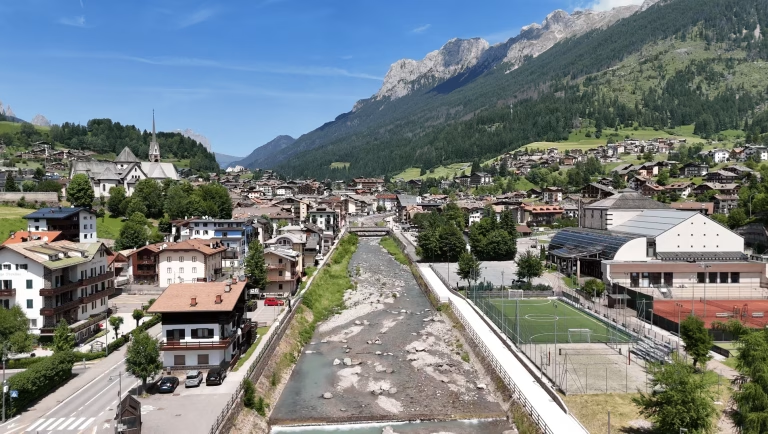
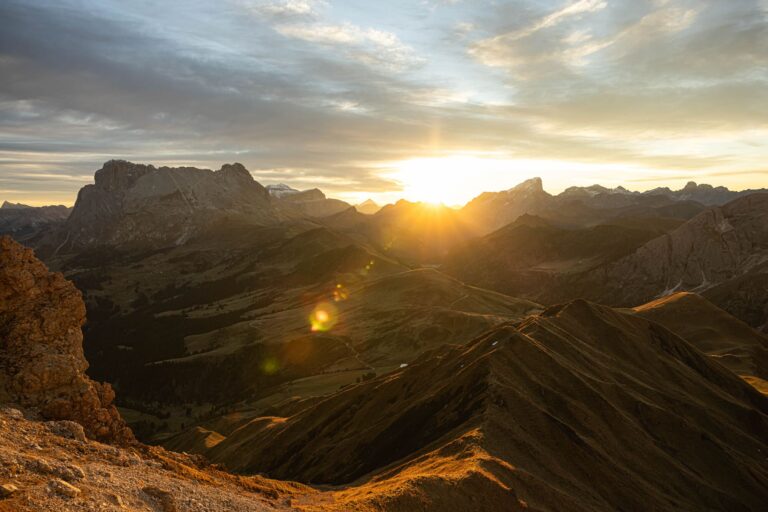
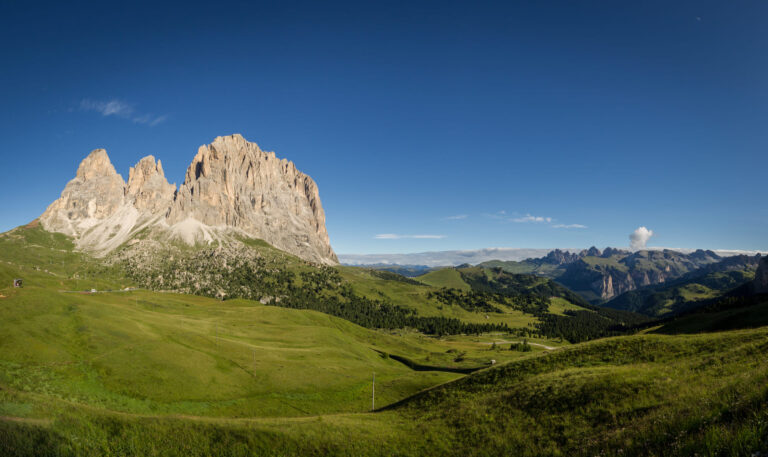
The Merano and surroundings area is located in South Tyrol, just a few kilometers from Bolzano, and is famous for its mild climate, vineyards, and thermal baths. Merano, an elegant spa town with a charming historic center, is surrounded by alpine landscapes ranging from the gentle hills of the Val d’Adige to the imposing peaks of the Serentine Alps and the Gruppo di Tessa. The most prominent mountains in the area include Cima Tessa (3,318 m), which dominates the Natural Park of Gruppo di Tessa, Mount Ivigna (2,581 m), clearly visible from the city, and Mount Hirzer (2,781 m), ideal for scenic hikes.

The Merano and surroundings area is located in South Tyrol, just a few kilometers from Bolzano, and is famous for its mild climate, vineyards, and thermal baths. Merano, an elegant spa town with a charming historic center, is surrounded by alpine landscapes ranging from the gentle hills of the Val d’Adige to the imposing peaks of the Serentine Alps and the Gruppo di Tessa. The most prominent mountains in the area include Cima Tessa (3,318 m), which dominates the Natural Park of Gruppo di Tessa, Mount Ivigna (2,581 m), clearly visible from the city, and Mount Hirzer (2,781 m), ideal for scenic hikes.
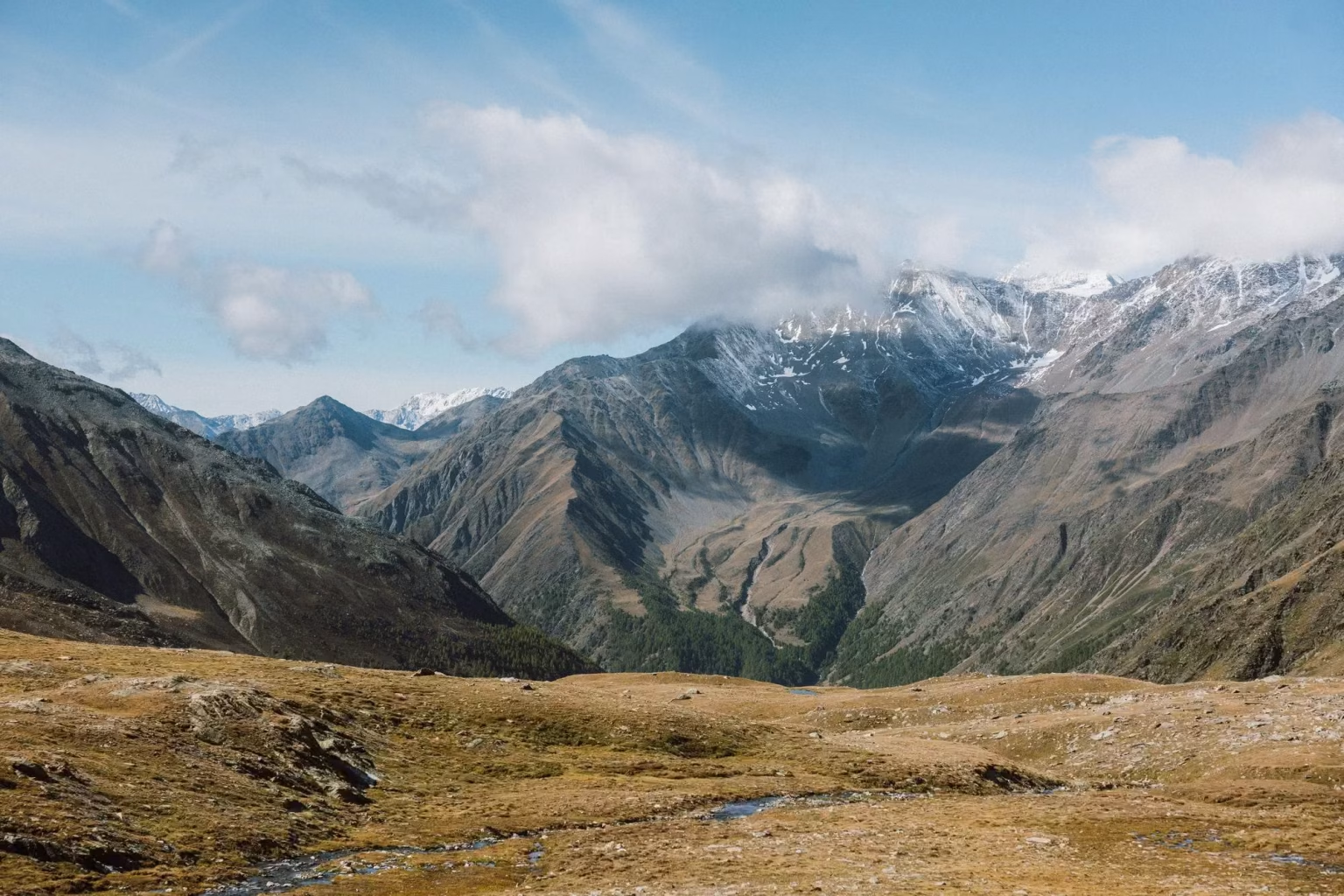
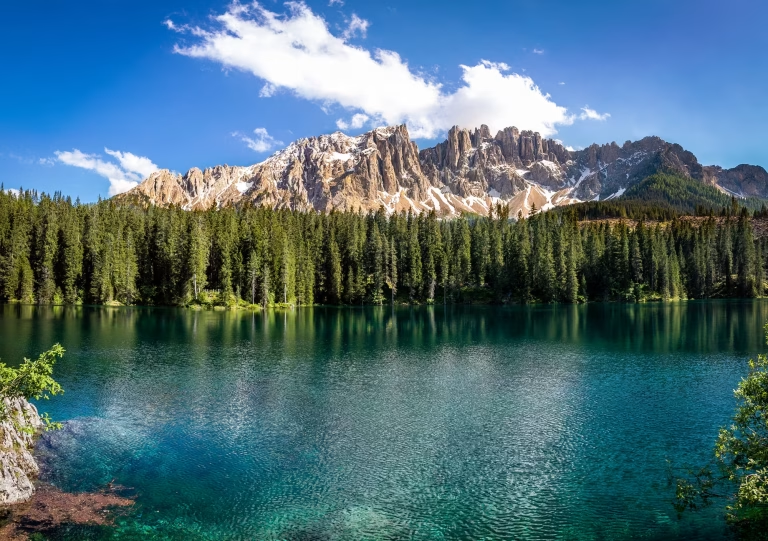
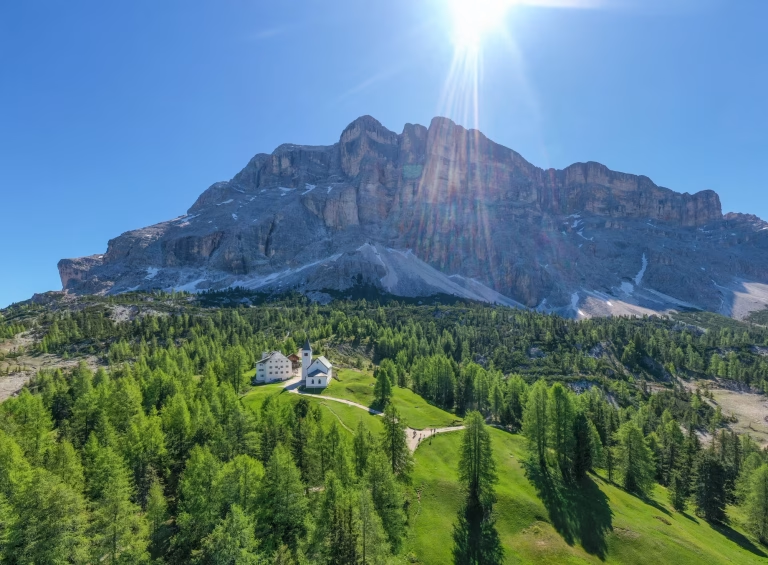
In the surroundings of Merano there are some of the most fascinating mountains of Alto Adige: the peaks of the Gruppo di Tessa, Monte Muta, Punta Cervina, Picco Ivigna, and Giogo di Tessa. To the west stretch the Alpi Venoste, while to the south rise the foothills of the Alpi Sarentine.
The entire area is protected by the Parco Naturale Gruppo di Tessa, the largest in Alto Adige, a paradise for hikers and nature lovers. Here you can find breathtaking panoramic trails, such as the Alta Via di Merano (Meraner Höhenweg), which offers spectacular views of the valley and surrounding peaks, crossing forests, mountain huts, and ancient farms.
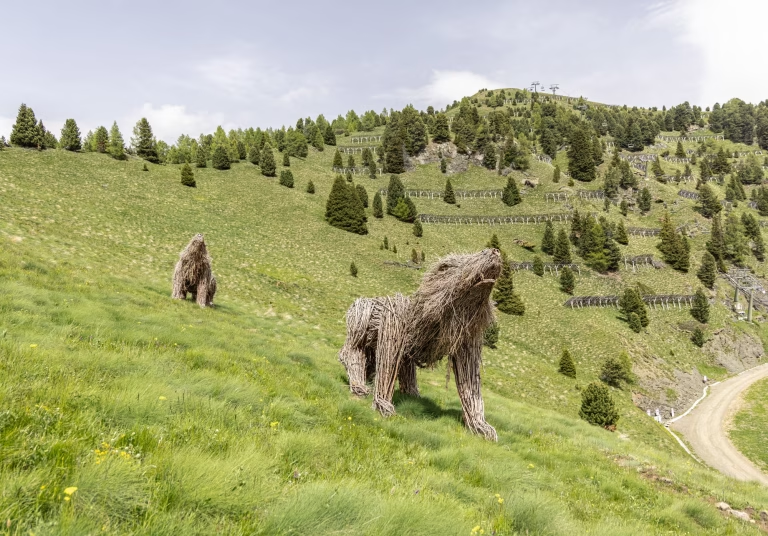
Just a few kilometers away, heading towards Avelengo and Merano 2000, the landscape changes: the forests give way to high-altitude pastures, ideal for horseback trekking, hiking, and mountain bike tours. Further north, Val Passiria and Val d’Ultimo hold authentic valleys, alpine lakes, and small villages where time seems to have stood still.
Easily reachable by car, Merano is just over half an hour from Bolzano, along the convenient MeBo expressway (SS38), which quickly connects the city to the main road arteries of Alto Adige. Those coming from the south can take the Brenner motorway A22, exit at Bolzano Sud, and follow the signs for Merano.
For those traveling by train, Merano is connected to the national railway network via a convenient transfer in Bolzano, from where frequent regional trains run for about 40 minutes through vineyards, apple orchards, and castles. During the tourist season, especially in the summer months and during the Christmas markets, special trains and combined packages including train + bus + entrance to the Terme or the botanical gardens are available.
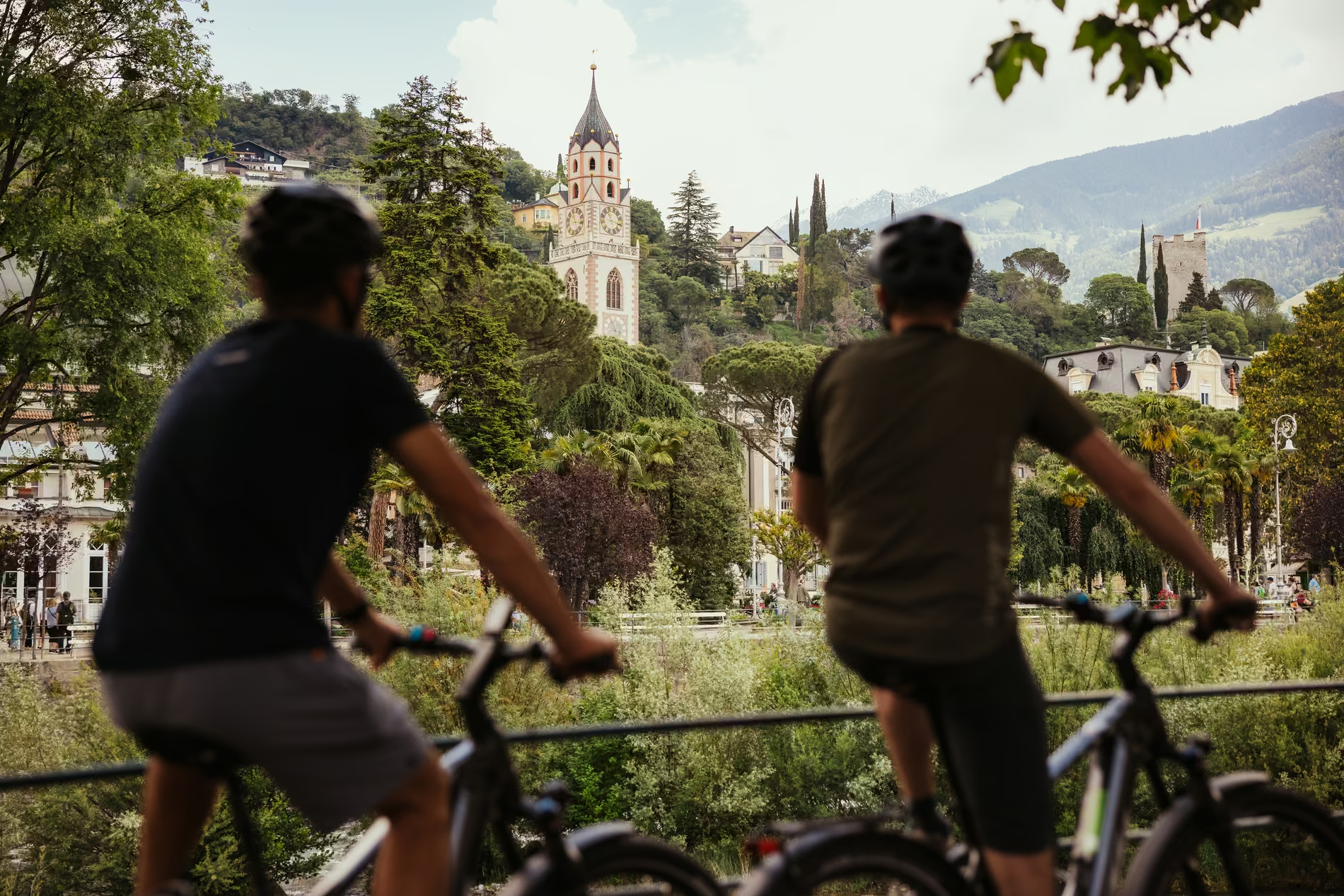
Those who love cycling can rely on one of the most beautiful bike path networks in Alto Adige, such as the one connecting Bolzano to Merano along the Adige River: perfectly flat, shaded, and suitable even for families. Numerous bike rental points, bike hotels, and shuttle services make it easy to organize multi-day cycling tours.
Finally, for those arriving by plane, the closest airport is Bolzano (about 30 km away), but the airports of Verona, Innsbruck, and Bergamo also offer convenient connections, especially thanks to private transfers or seasonal shuttles.
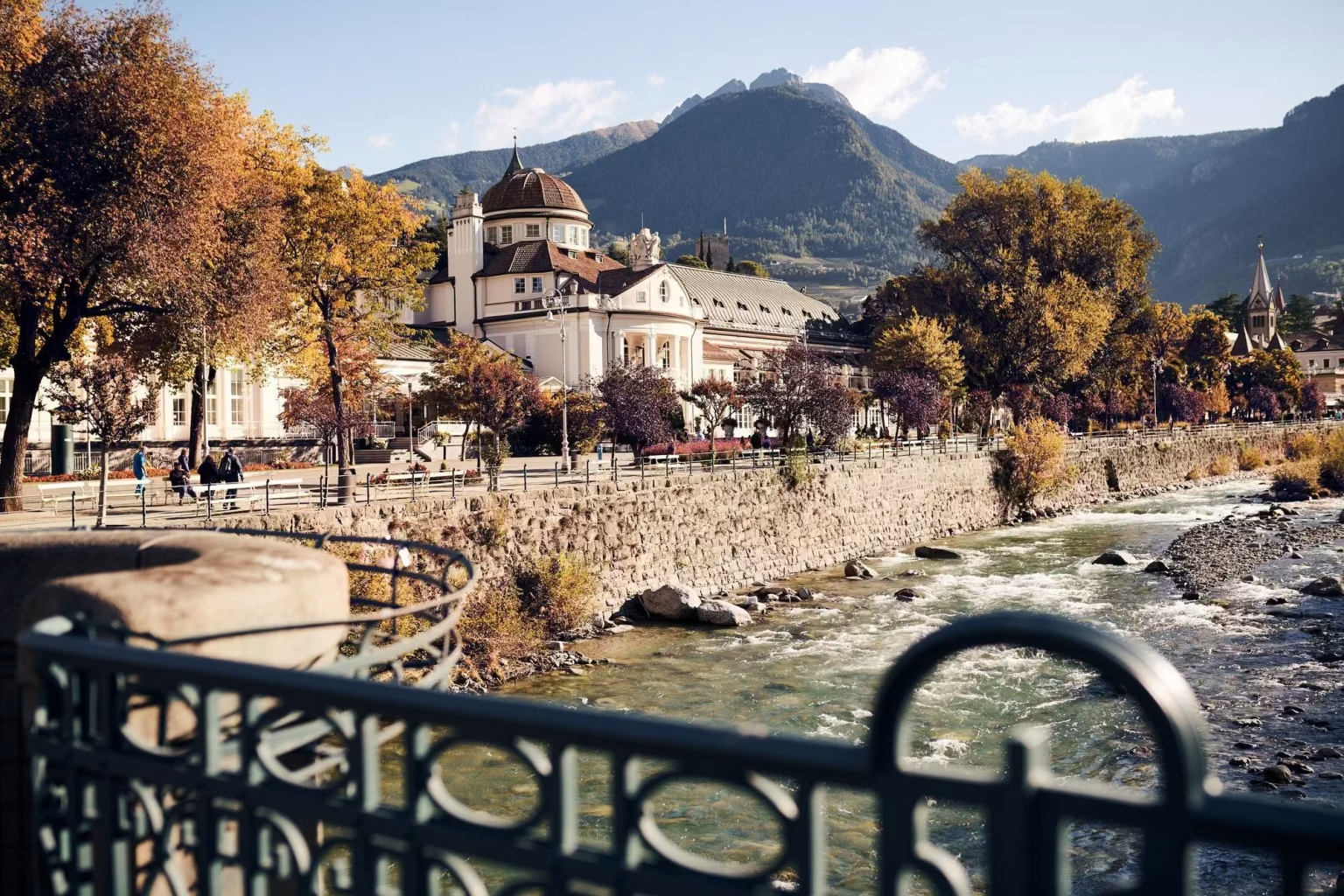
Merano is a charming city even in its urban structure, divided into neighborhoods that reflect its different personalities. Maia Alta is the most elegant and upscale area, with beautiful Art Nouveau villas, well-kept gardens, and a refined atmosphere reminiscent of the golden age of the spa aristocracy. Maia Bassa, on the other hand, is livelier and more dynamic, with shops, venues, and services that make it the commercial heart of the city.
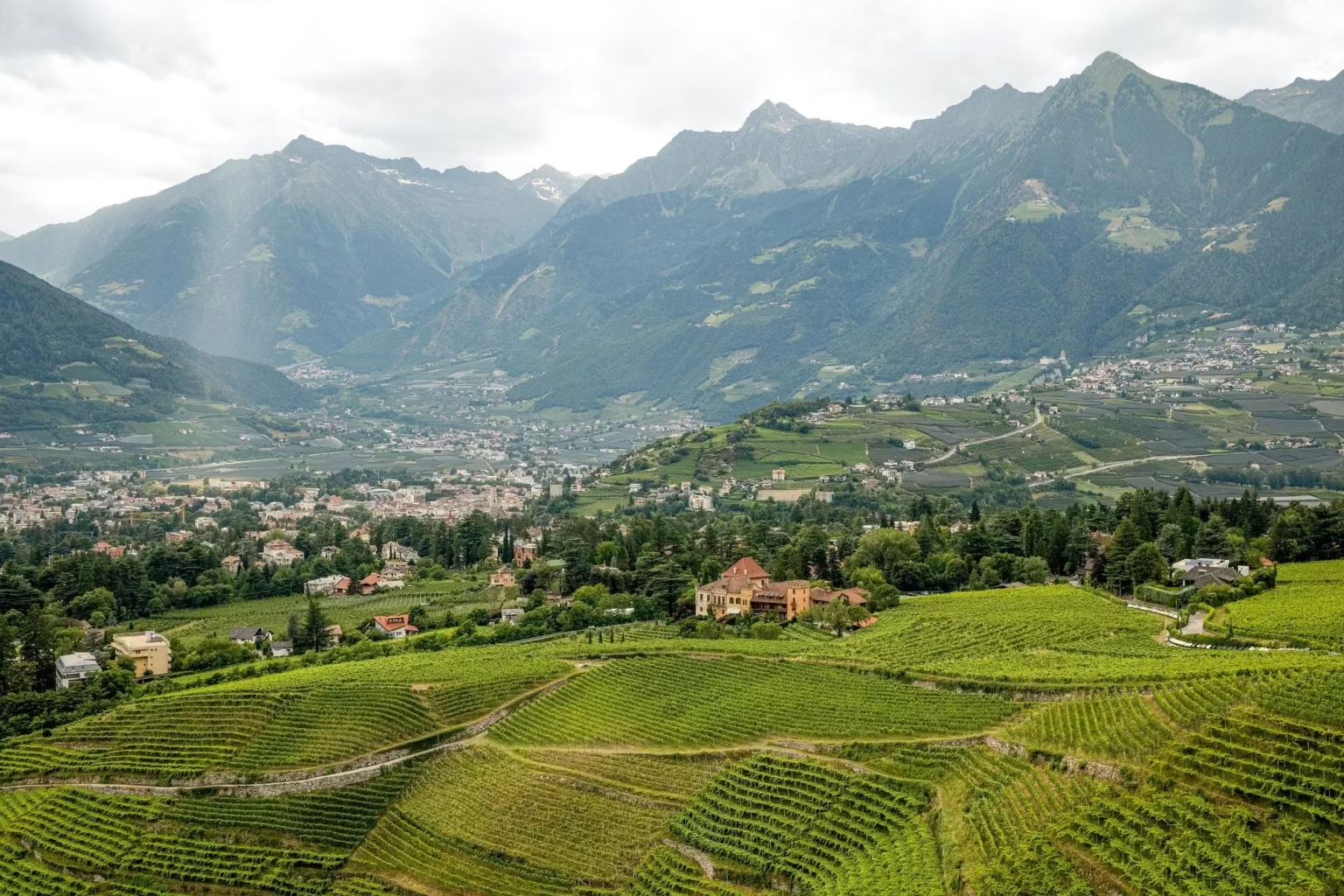
Heading up towards the hills, the neighborhoods of Quarazze and Labers offer panoramic views and tranquility, nestled among vineyards and trails. To the south, Sinigo is a residential and industrial area, conveniently accessible and well connected thanks to its proximity to the expressway.
But it is just beyond the city center that you discover the most authentic and scenically charming soul of the Merano area. Surrounding the city are green valleys and small villages full of charm, each with its own identity and tradition.
Scena, for example, overlooks the Merano basin and offers spectacular views and panoramic trails perfect for those seeking relaxation and nature. Tirolo is a symbolic place where history and culture intertwine: here stands the ancient Castel Tirolo, from which the entire historic region takes its name. Lagundo is a blooming village nestled among vineyards, ideal for those who love scenic walks along the famous waalweg and enjoy traditional South Tyrolean cuisine.
Lana, larger and livelier, is a village that combines nature, culture, and gastronomy, thanks to its weekly markets, museums, and quality restaurants. Going further up, Avelengo offers the most bucolic side of Alto Adige: high-altitude pastures, Haflinger horses, and open landscapes that invite you to walk, ride, or simply breathe in the fresh air. Finally, Parcines, with its impressive waterfall and typewriter museum, is a small corner nestled between forests and local culture, perfect for hikes and authentic experiences.
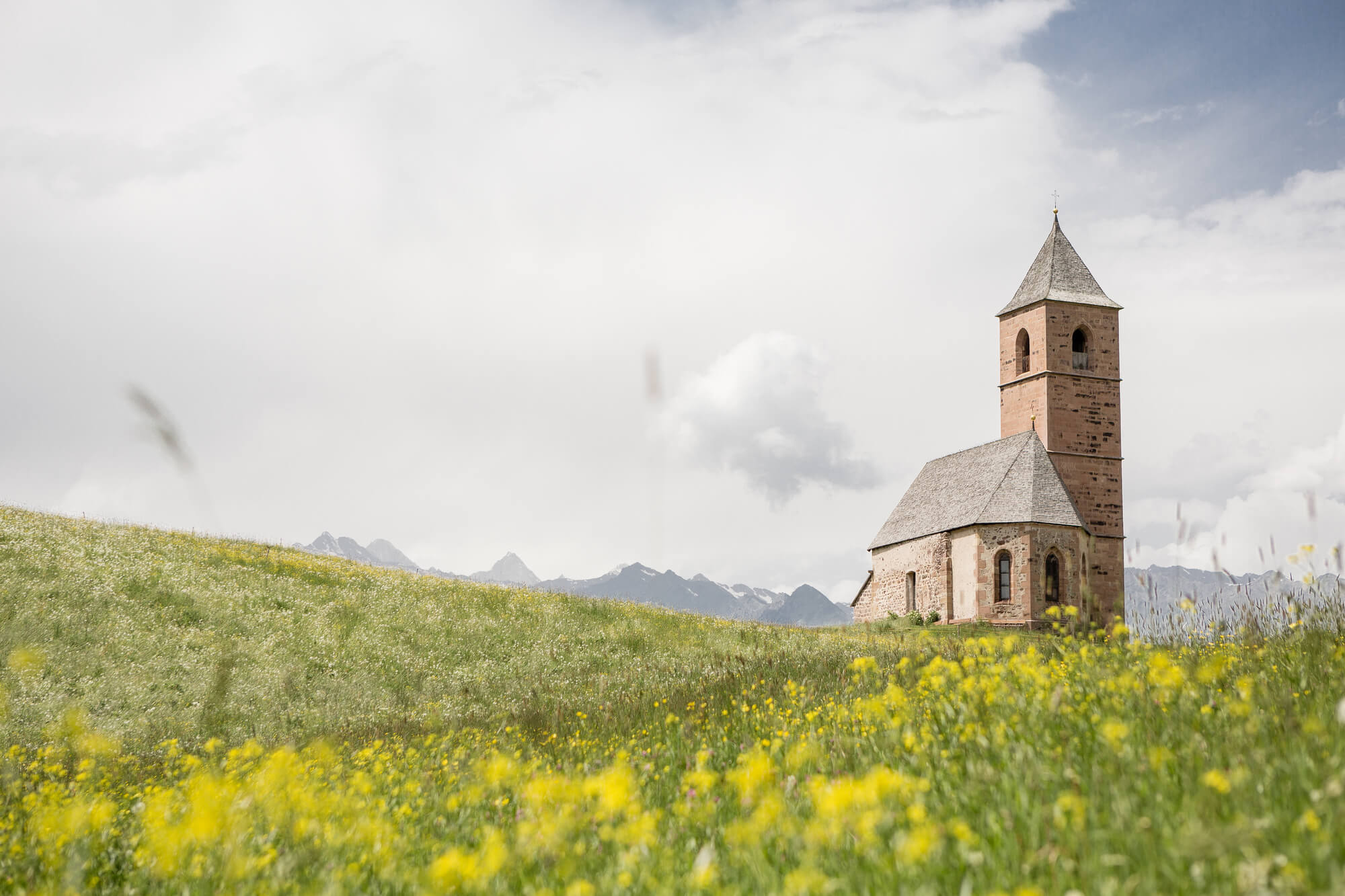
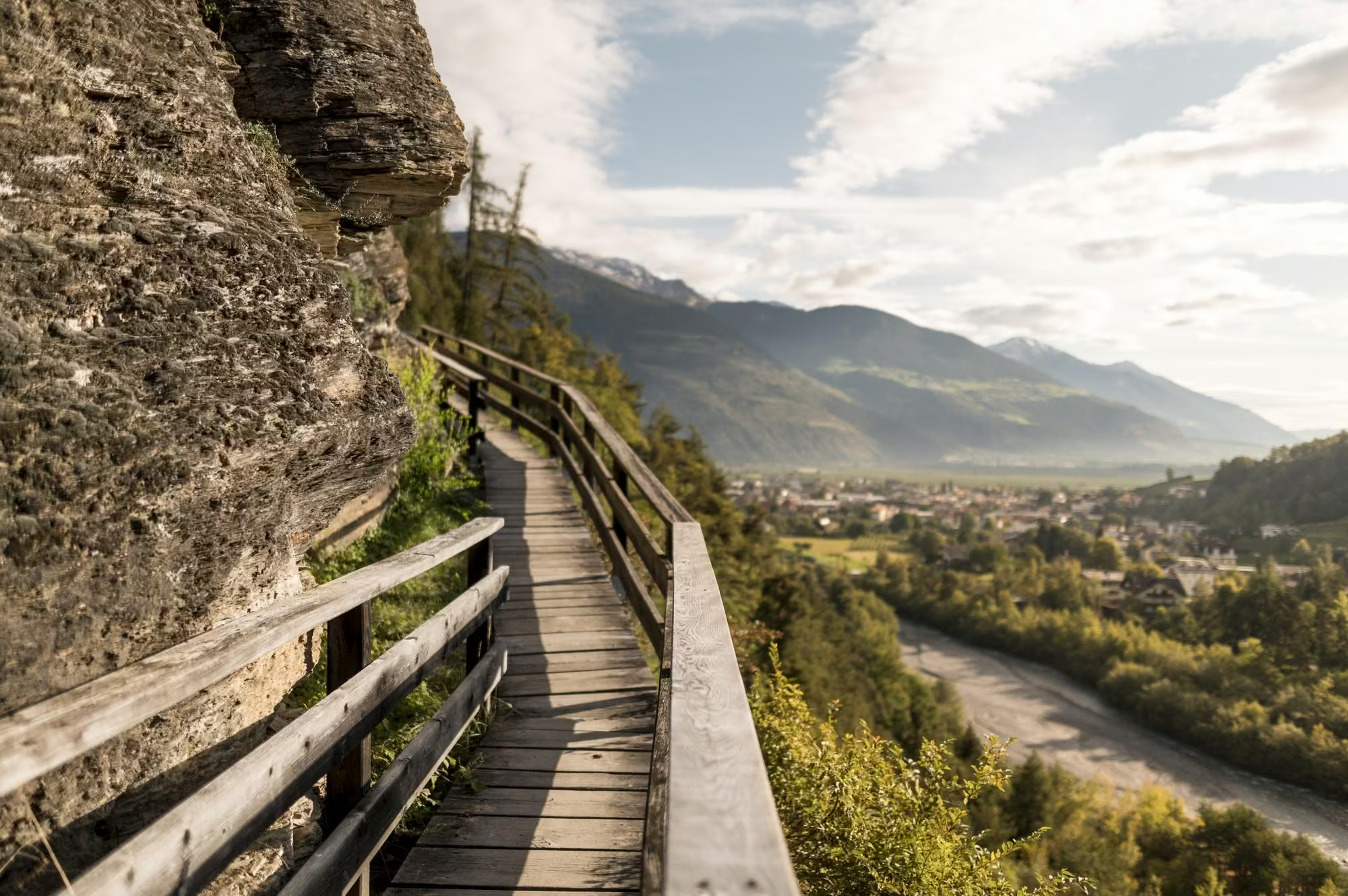
Summer in Merano and its surroundings is a season full of life, colors, and opportunities to explore the outdoors. The famous Waalwege, ancient trails that follow old irrigation channels, offer easy and scenic walks suitable for everyone, winding through orchards, vineyards, and spectacular views of the valley. Mountain lovers can embark on more challenging hikes to mountain huts and refuges, such as those on Monte San Vigilio or Monte Cervina, where you can enjoy typical dishes at altitude and breathe in the fresh air of the high pastures.
The warm summer days also invite relaxation: you can rejuvenate in outdoor pools or enjoy the soothing silence of the Terme di Merano, nestled in gardens and equipped with indoor and outdoor pools that combine modern design with alpine views. For cycling enthusiasts, the area is crossed by a network of bike paths perfect for tours through apple orchards, castles, and historic villages, with refreshment stops and bike rentals available everywhere.
Families find summer in Merano the perfect time to involve children in authentic experiences: educational farms, playgrounds surrounded by greenery, and easy child-friendly hikes make every day a little journey into nature. Completing the picture, village festivals and traditional celebrations bring the towns to life with music, typical dishes, local costumes, and in some areas, even an early taste of summer Törggelen, with open wine cellars and Tyrolean conviviality.
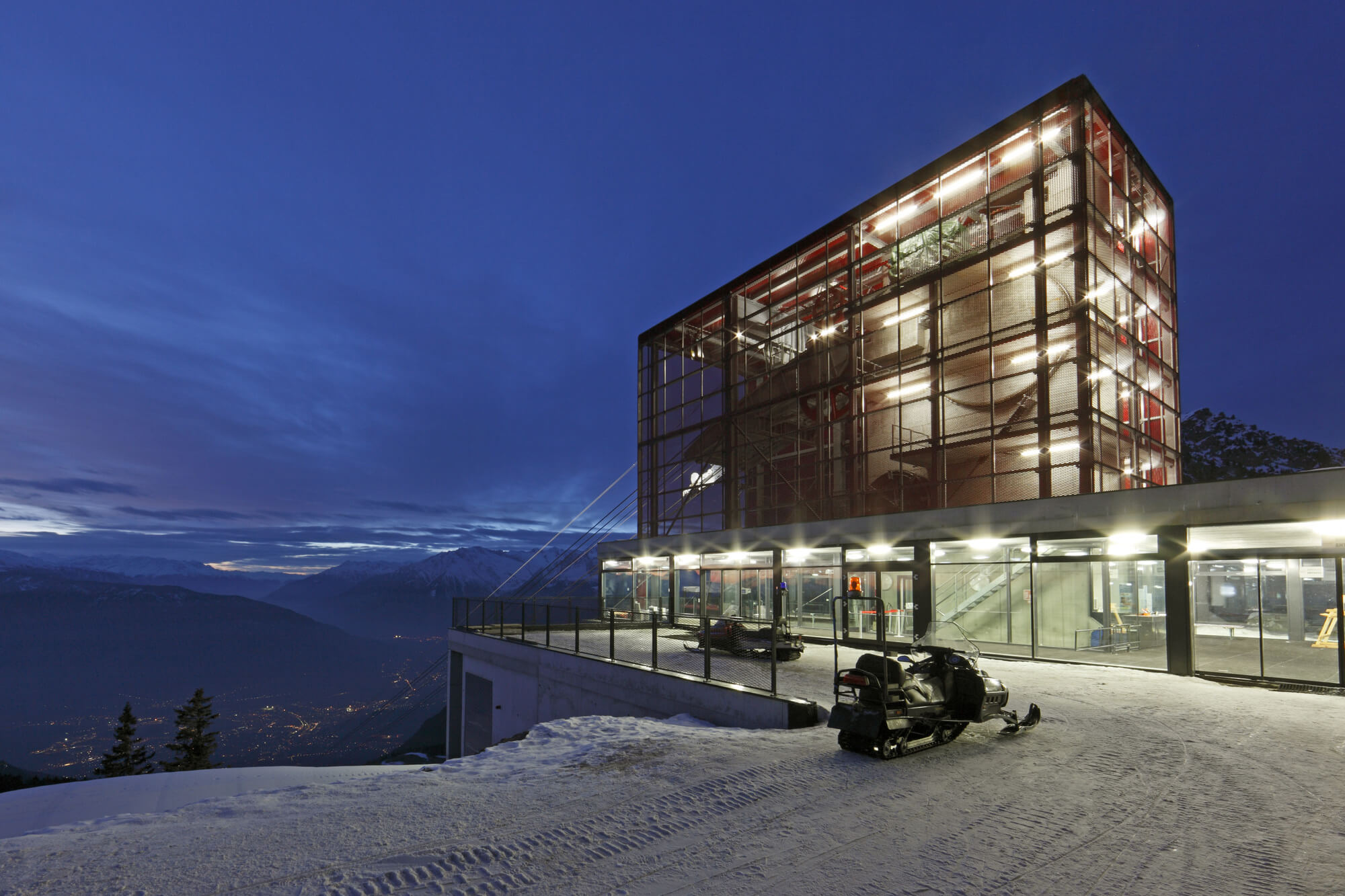
Autumn is the season of foliage, which transforms the trails among chestnut trees and vineyards into postcard-perfect scenes. Walking along the Passeggiata Tappeiner, in the forest above Marlengo, or on the chestnut trail between Foiana and Lana becomes a sensory experience, enriched by the scent of roasted chestnuts, grape must, and autumn spices.
It is also the perfect time to experience Törggelen, the ancient farming tradition that for centuries has celebrated the end of the grape harvest. Mountain taverns and farms open their doors to visitors with typical menus that include speck, barley soup, canederli, smoked meat, sauerkraut, roasted chestnuts, and filled krapfen. Places like Scena, Tirolo, Avelengo, and the Val d’Isarco organize themed evenings, often with live music and a family-friendly atmosphere.
The weekly markets of Merano, Lana, and Lagundo become a celebration of seasonal products: freshly picked apples, pumpkins, mushrooms, mountain honey, cheeses, and local wines—perfect to enjoy on-site or take home. Wine lovers can join guided tours of wineries in the Oltradige or Val Venosta regions, with tastings of Gewürztraminer, Lagrein and Schiava, often paired with small gastronomic or artistic events.
And for mountain lovers, the first snowfalls can already whiten the highest peaks, making the arrival at refuges like Hochmuth above Tirolo or the Meraner Hütte refuge in the Merano 2000 area even more magical.
The beating heart of Merano’s winter is the Terme di Merano, which become an ideal refuge for those seeking relaxation and wellness: the outdoor thermal pools, surrounded by snow, offer a unique experience, while inside saunas, steam baths, relaxation areas, and treatments with local products such as apples, mountain pine, and alpine hay alternate.
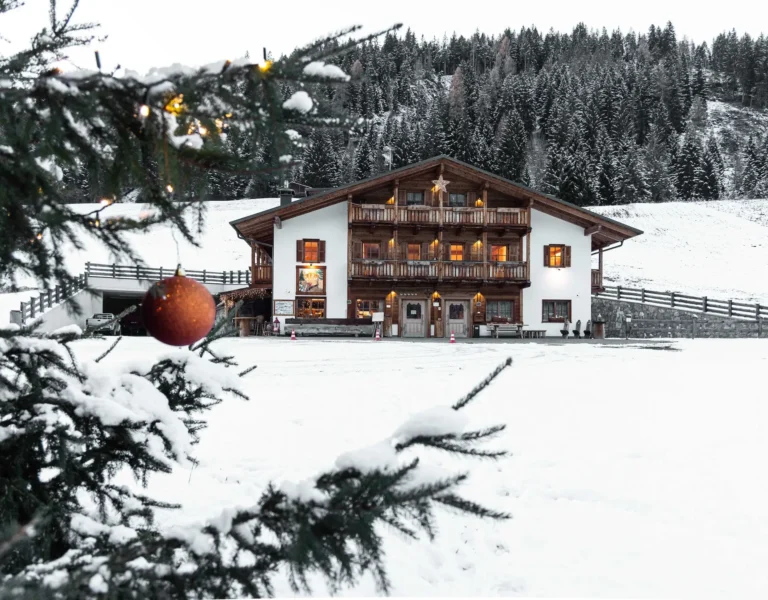
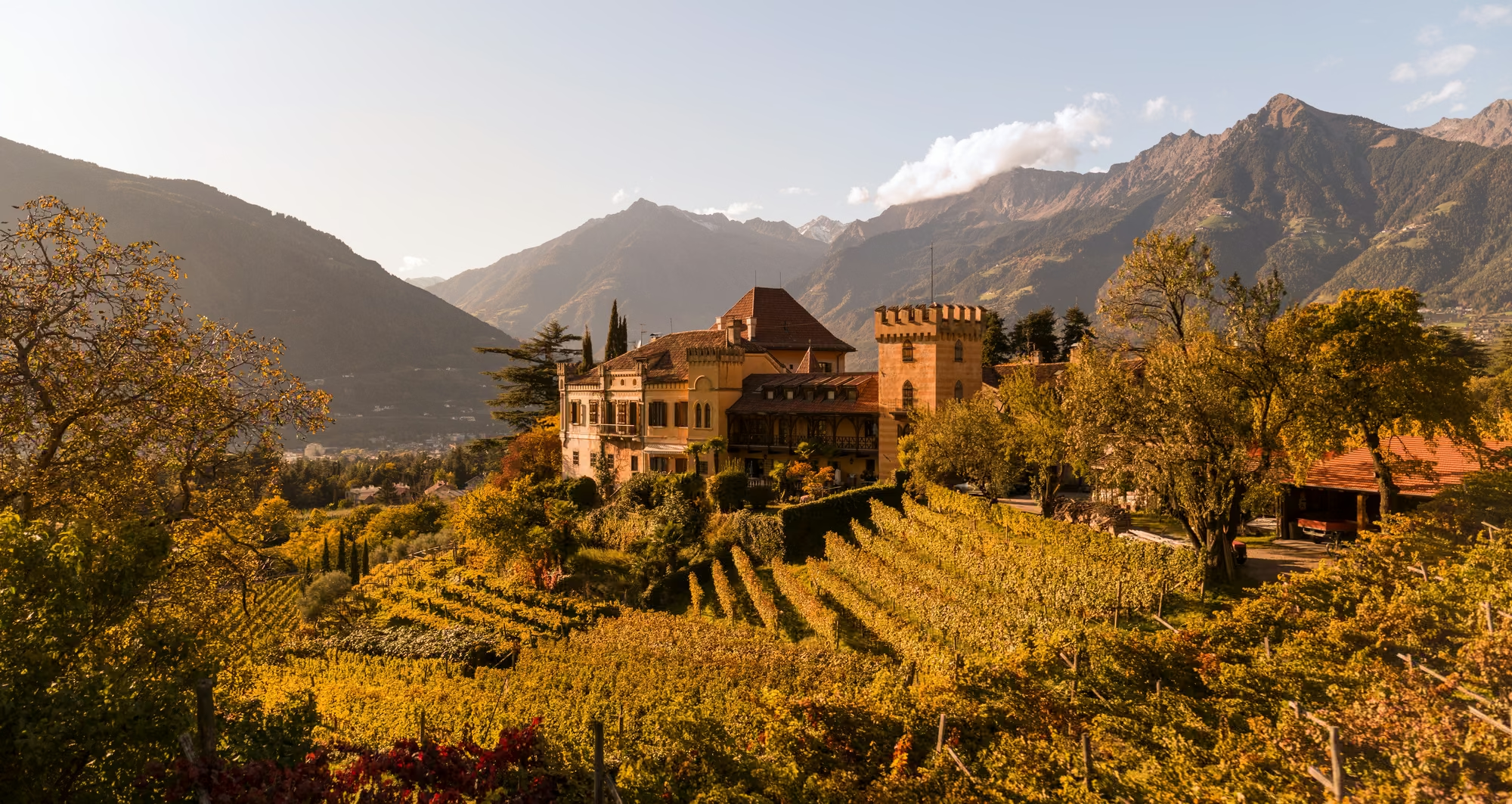
During the Advent season, the city comes alive with Christmas markets, among the most enchanting in Alto Adige. The wooden stalls, handcrafted decorations, glowing lanterns, and Christmas melodies create a magical atmosphere that captivates both adults and children. Between a cup of mulled wine and a cinnamon cookie, you can find original gifts, typical products, and handmade items, all framed by the historic facades of the town center and the snow-capped peaks in the background.
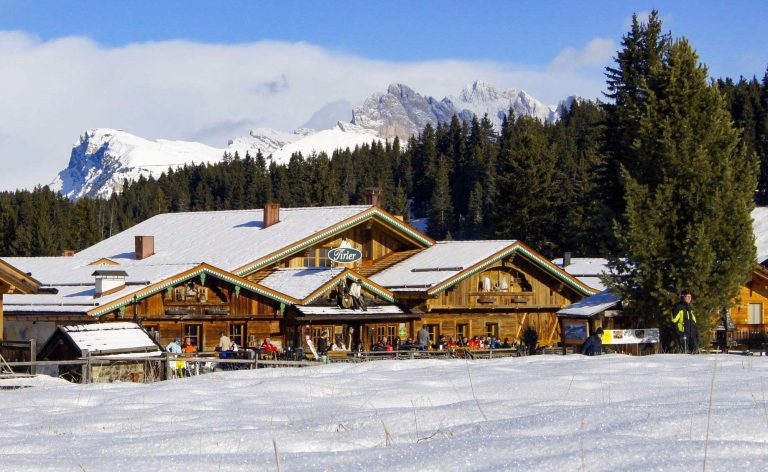
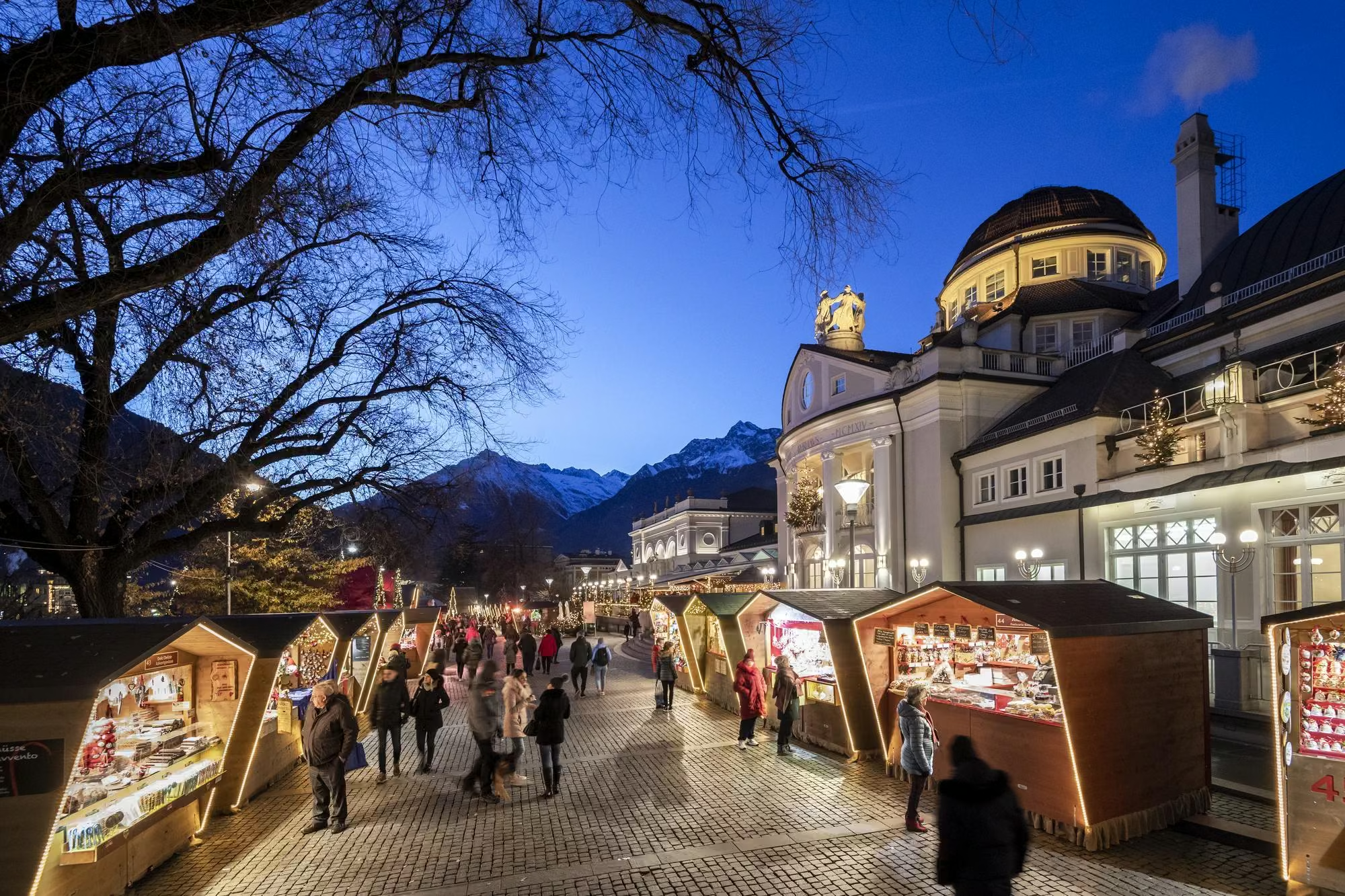
For snow lovers, the Merano 2000 ski area is just minutes from the city and offers sunny panoramic slopes ideal for skiers of all levels, as well as snowparks and cozy mountain huts where you can enjoy a warm meal with a view. Those who prefer quieter locations can head to Plan in Val Passiria or Schwemmalm in Val d’Ultimo, less crowded areas but perfectly equipped for alpine skiing, snowboarding, and cross-country skiing.
And if skiing isn’t your thing, Merano still offers a thousand alternatives in winter. You can walk along groomed winter trails, immersed in the muffled silence of the forests, or set out for a scenic snowshoe hike, for example to the charming Malga Berglalm or the fascinating stone cairns on Monte Schöneck, which offer spectacular views of the valleys below.
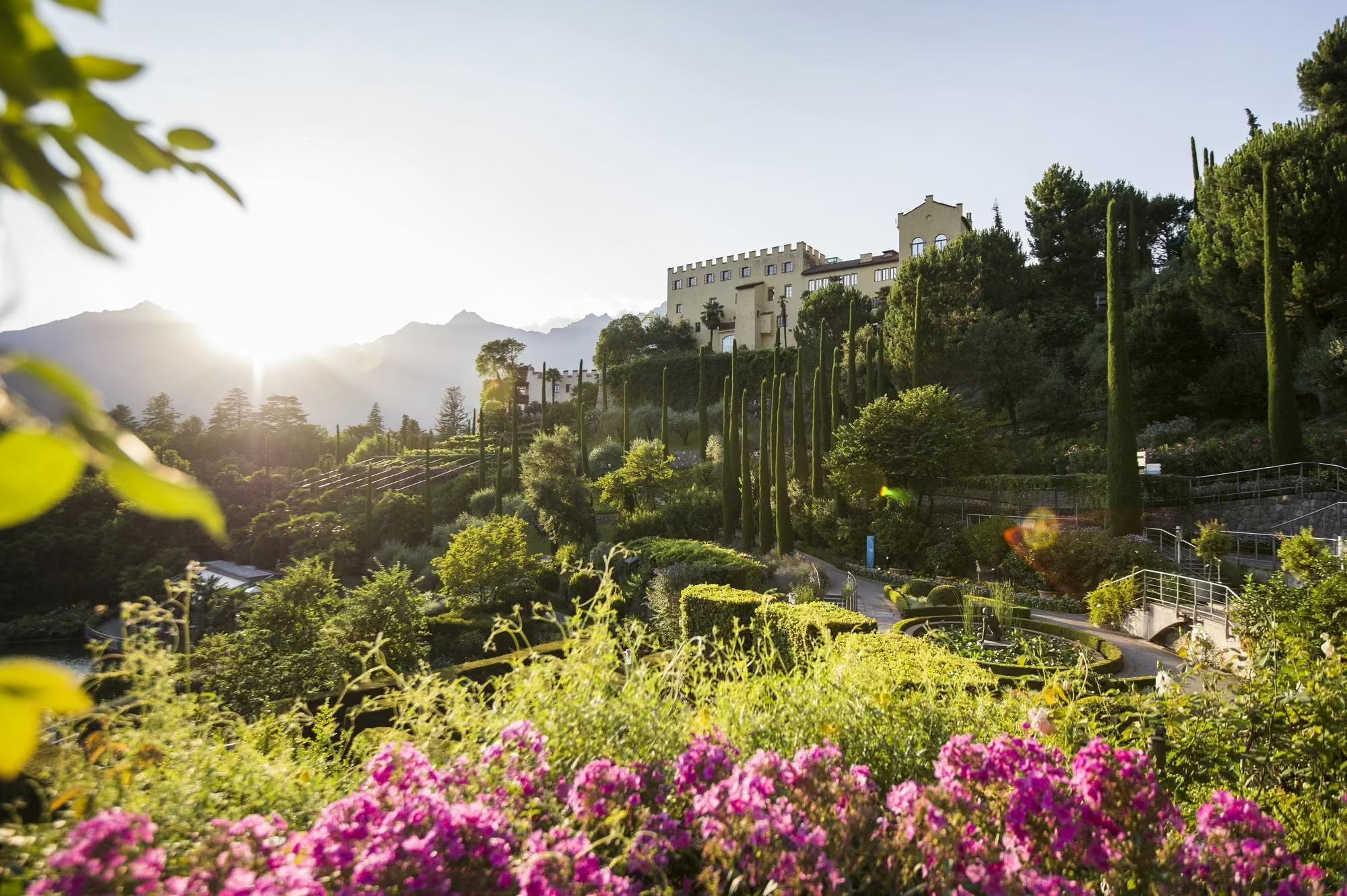
Spring in Merano is a captivating season, a true awakening of nature and the senses. After the winter months, the city transforms: the Gardens of Castel Trauttmansdorff fill with spectacular blooms—tulips, ornamental cherry trees, magnolias, and rhododendrons. It is one of the emblematic places of Merano’s spring, perfect for a day of beauty and tranquility.
The city also dons a new look: the city parks fill up again, flower beds bloom, and walks along the Passirio and the Passeggiata Tappeiner offer breathtaking views of the Merano basin, with the air scented by freshly cut grass and blooming flowers. And perhaps a break at one of the many cafés with panoramic terraces, where you can enjoy a slice of strudel or a glass of chilled Sylvaner.
The bike paths, like the one connecting Merano to Bolzano along the Adige, fill up again with enthusiasts: flat, well-maintained, and lined with blooming apple orchards, they are also perfect for a day trip, passing by farm stays and scenic viewpoints. Another popular spring route for cyclists is the one that crosses Val Venosta, starting from Naturno and following the ancient Via Claudia Augusta through castles, cultivated fields, and small villages.
Culture also blooms with the arrival of the warmer season. In spring, Merano comes alive with events celebrating music, traditions, and local flavors. Among these, the Primavera Meranese stands out—a festival that transforms the city into an open-air stage: concerts, artisan markets, tastings of local specialties, and outdoor activities.